Is Number Eighteen honey ‘raw’?
OK, quick answer: YES, it is. You can buy our honey knowing that it has been kept as close as possible to the honey that comes out of the hive. We don’t pasteurise it or ultra-filter it.
Long answer: it’s a legal thing. If you’ve ever shopped for honey in the UK, you may have noticed words such as ‘unfiltered’ and ‘cold-extracted’, as well as ‘raw’. But what does ‘raw honey’ actually mean – and is there an official definition?
UK honey labelling laws
Sigh, yes, it’s boring, but bear with us.
In England, honey is regulated under The Honey (England) Regulations 2015, with corresponding regulations elsewhere in the UK. These set out what can legally be sold as honey and define different types, including comb honey, extracted honey, pressed honey and filtered honey.
Perhaps surprisingly, though, there isn’t a specific legal definition of ‘raw honey’.
So when we describe our honey as raw, we’re really describing how little we do to it.
From hive to jar
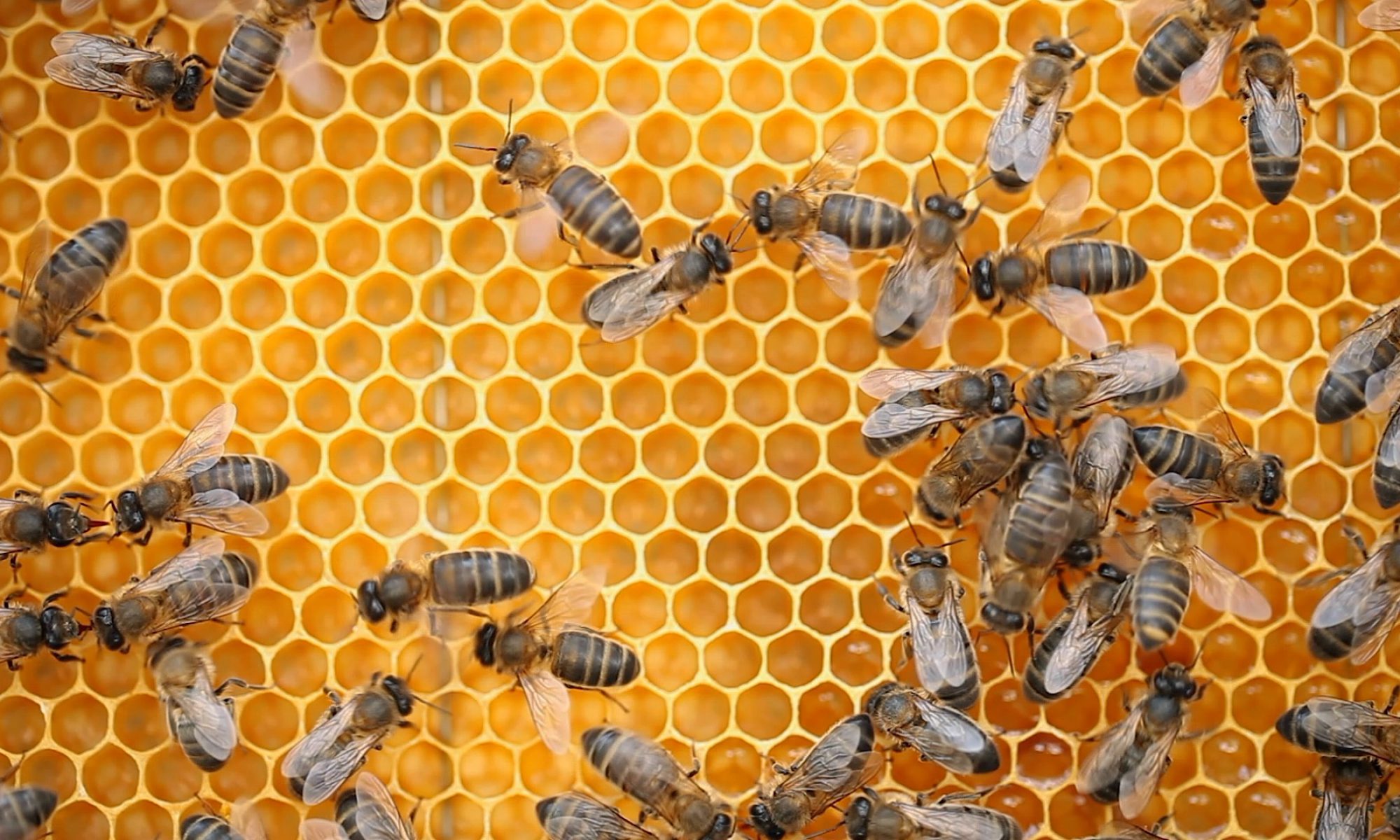
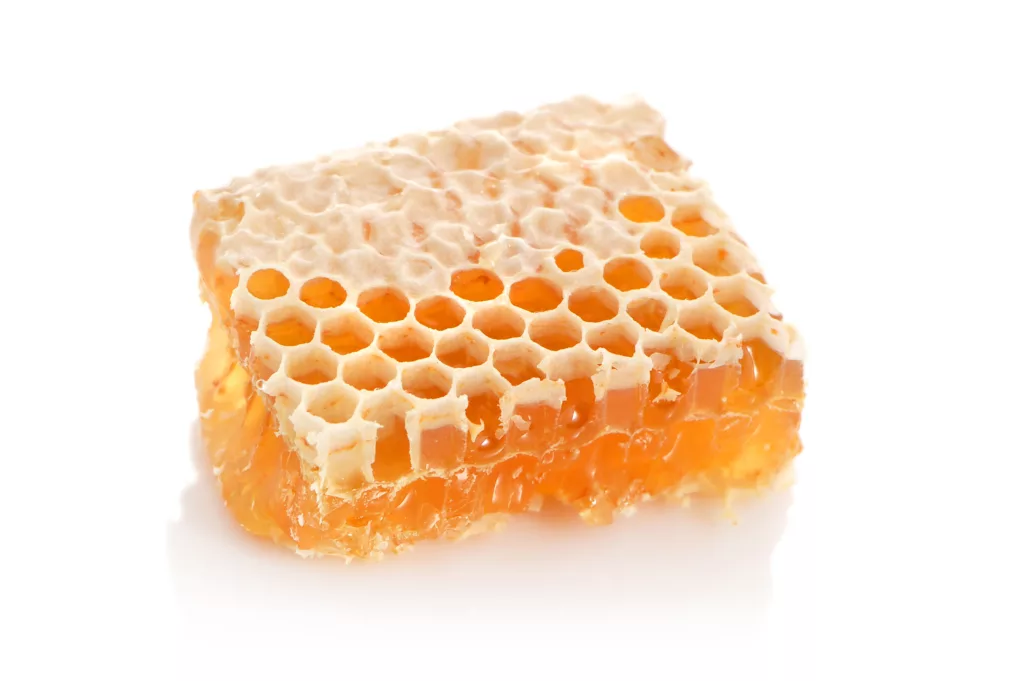
When a crop is ready, we remove the frames from our hives, take off the wax cappings the bees have put over the ripe honey and spin the frames in an extractor.
The honey is then strained to remove larger pieces of wax and other little bits from the hive before being put into jars and that’s essentially it.
What about filtering?
Here’s another slightly confusing bit of honey terminology.
We strain our honey. We need to, or otherwise the occasional little piece of beeswax that comes out of the extractor would end up in your jar.
But that’s not the same as ‘filtered honey’ as defined in the Honey Regulations. Filtered honey has been filtered in such a way that a significant amount of pollen has been removed.
We’re not trying to remove the pollen. The pollen gives honey flavour and adds protein and vitamins and is a natural component of good honey. We’re simply taking out the bits that shouldn’t be in the finished jar.
Why isn’t every jar exactly the same?
This is one of our favourite things about honey. Bees don’t work to a recipe.
What they bring home depends on what’s flowering around their hives, the weather, the time of year and what happens to be producing nectar. Even honey collected from two hives next to each other can look and taste totally different as the bees from one have a different idea of what they want than their neighours.
One batch might be pale and delicate, another darker with a much stronger flavour. Some crystallise rapidly, others stay beautifully clear for months.
For large-scale honey producers that supply supermarkets, consistency can be important, so different honeys may be blended to create something that looks and tastes the same from jar to jar.
We don’t do that. We keep our honey in individual batches so those natural differences remain.
So, is raw honey healthier?
There are lots of claims made about the health benefits of raw honey, but it can be difficult to separate good evidence from enthusiastic marketing.
What we can say is that keeping processing to a minimum means the honey stays as close as possible to the way it was when it left the hive.
Honey is an amazing natural product, with different colours, flavours and characteristics depending on where and when the bees collected it. We’d rather let those natural differences remain than process the honey simply to make every jar look and taste the same.
So, is Number Eighteen honey raw?
Yes.